

Fleet Vision
Proven aircraft are elevated with modern avionics, advanced technologies, and refined interiors. The fleet combines comfort, endurance, and operational flexibility to deliver capable aircraft that perform with confidence today and evolve to meet the demands of tomorrow.
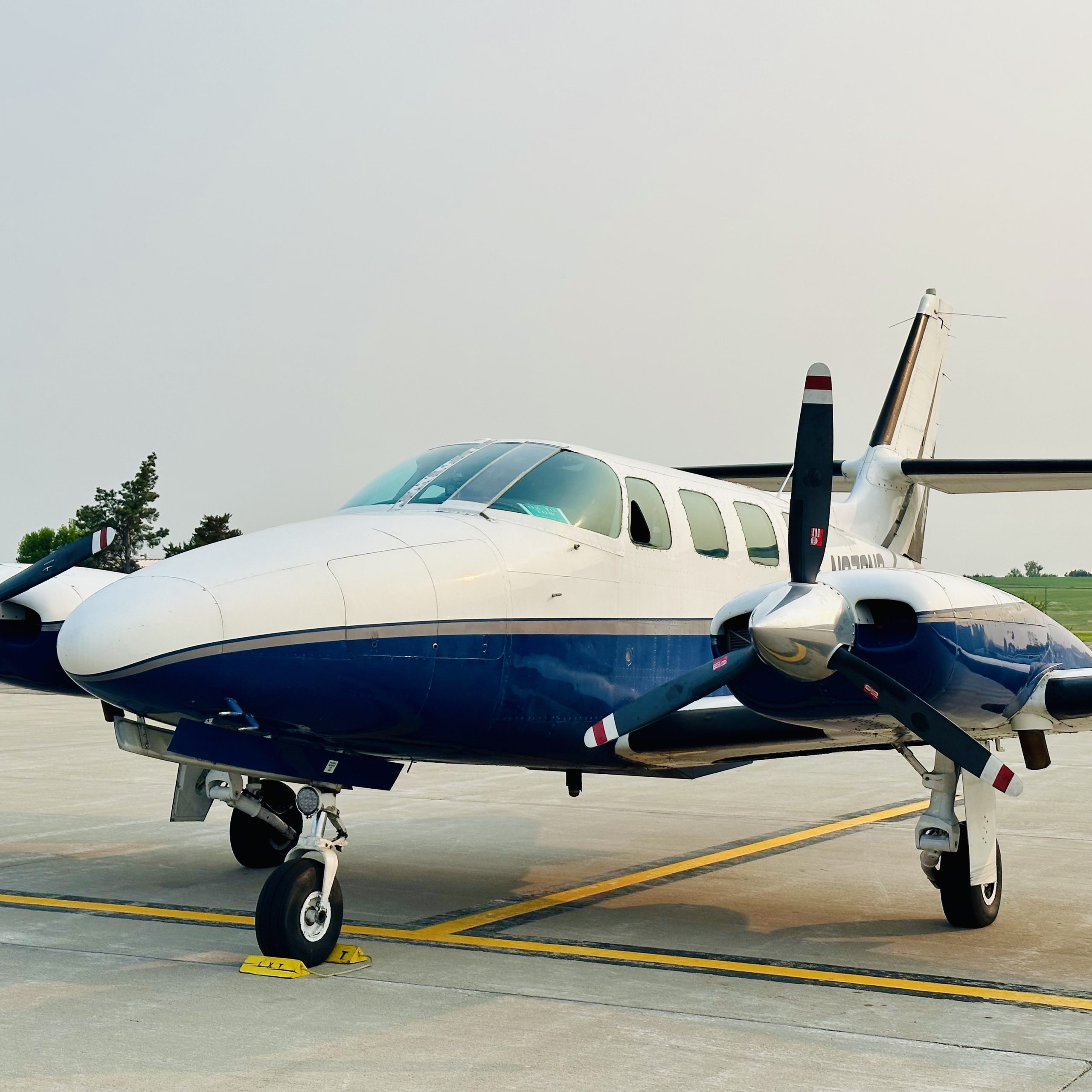
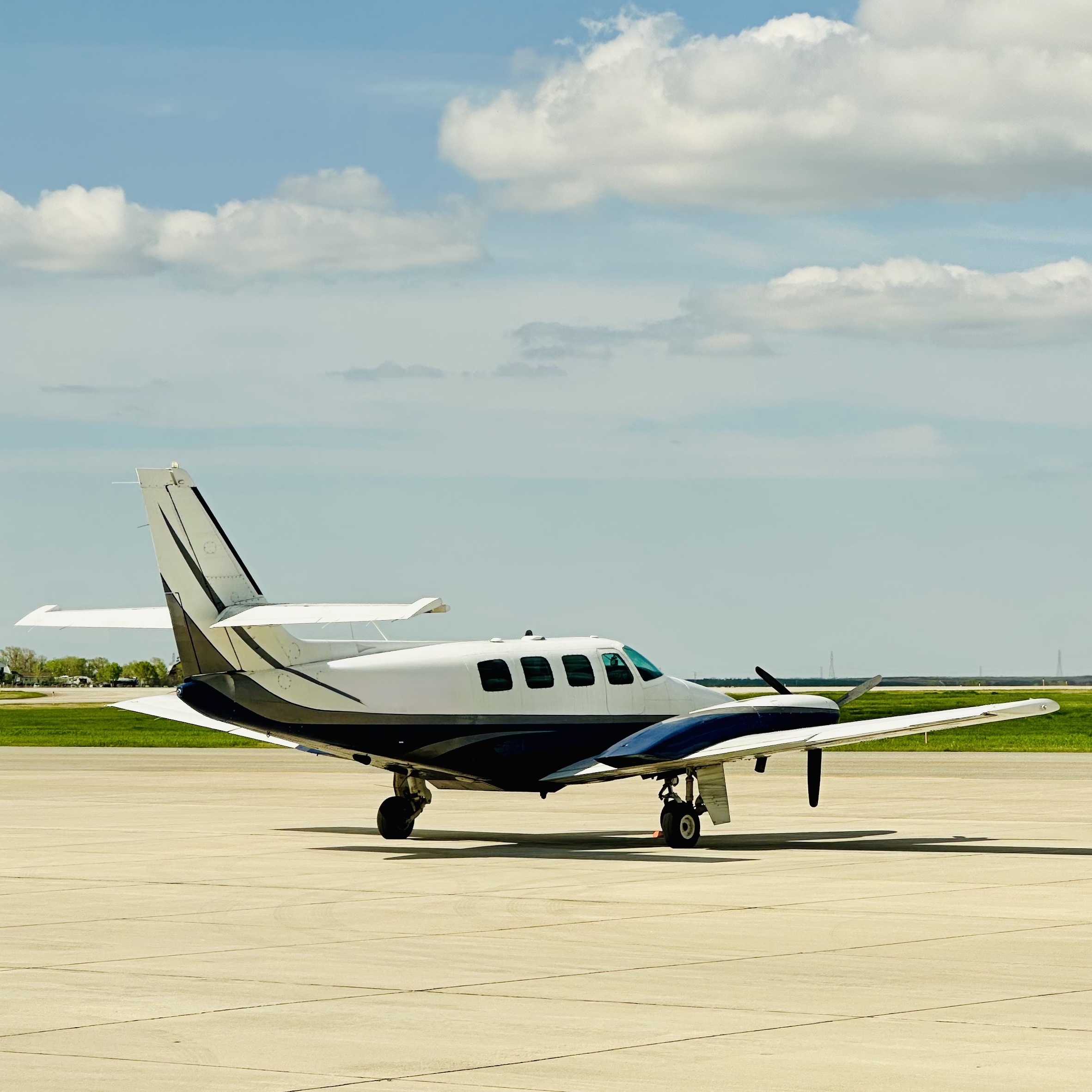
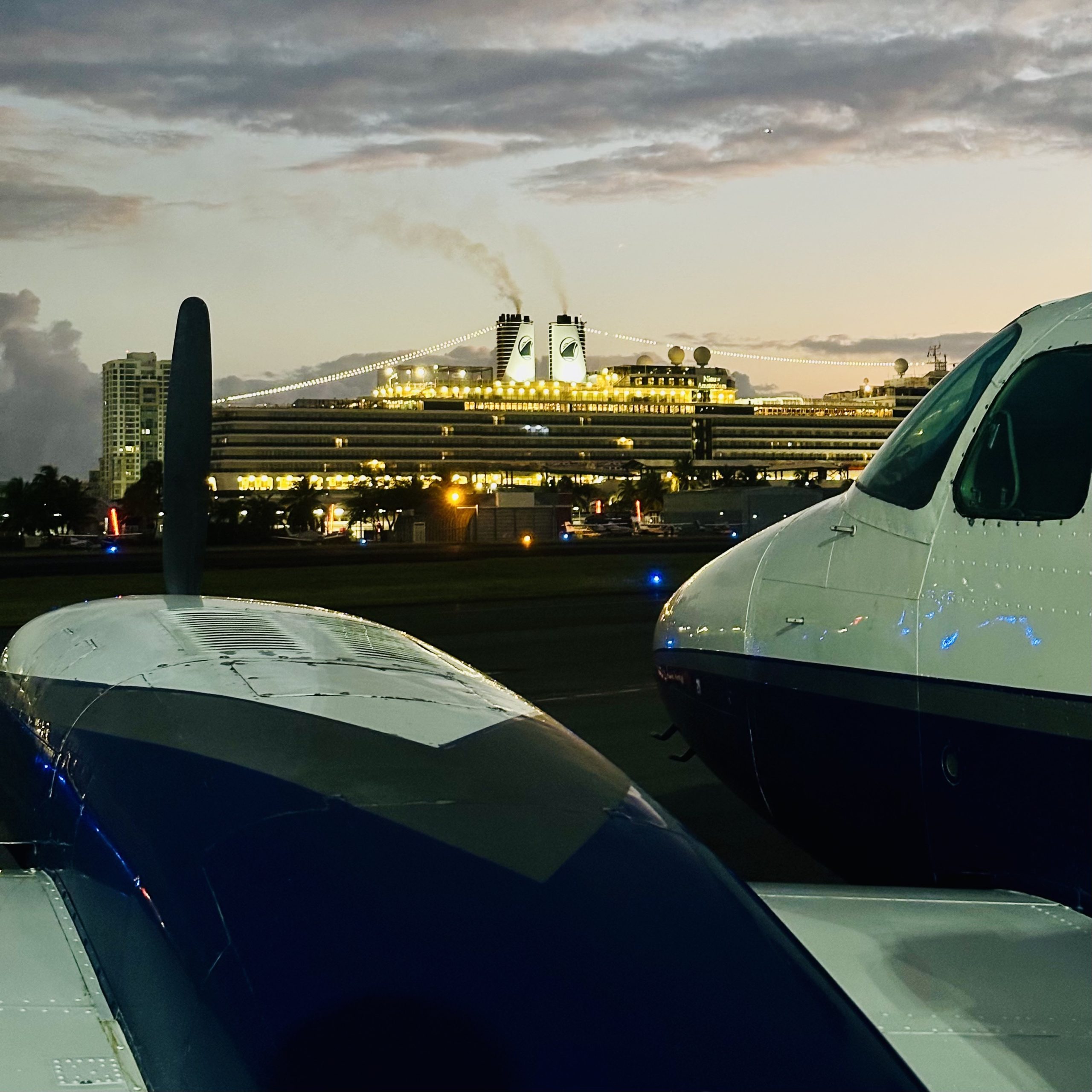
Cessna 303 Crusader
Cabin & Door Dimentions
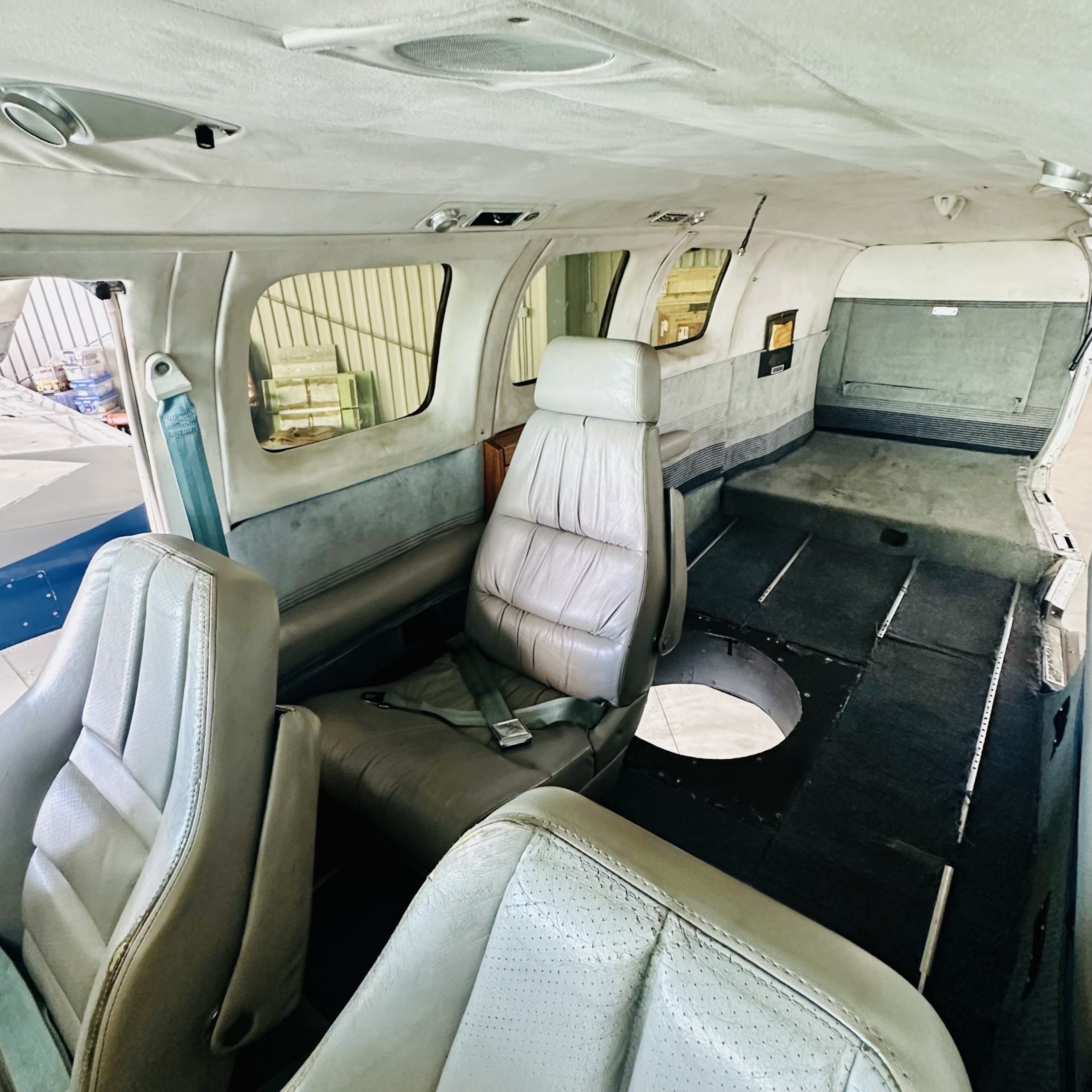
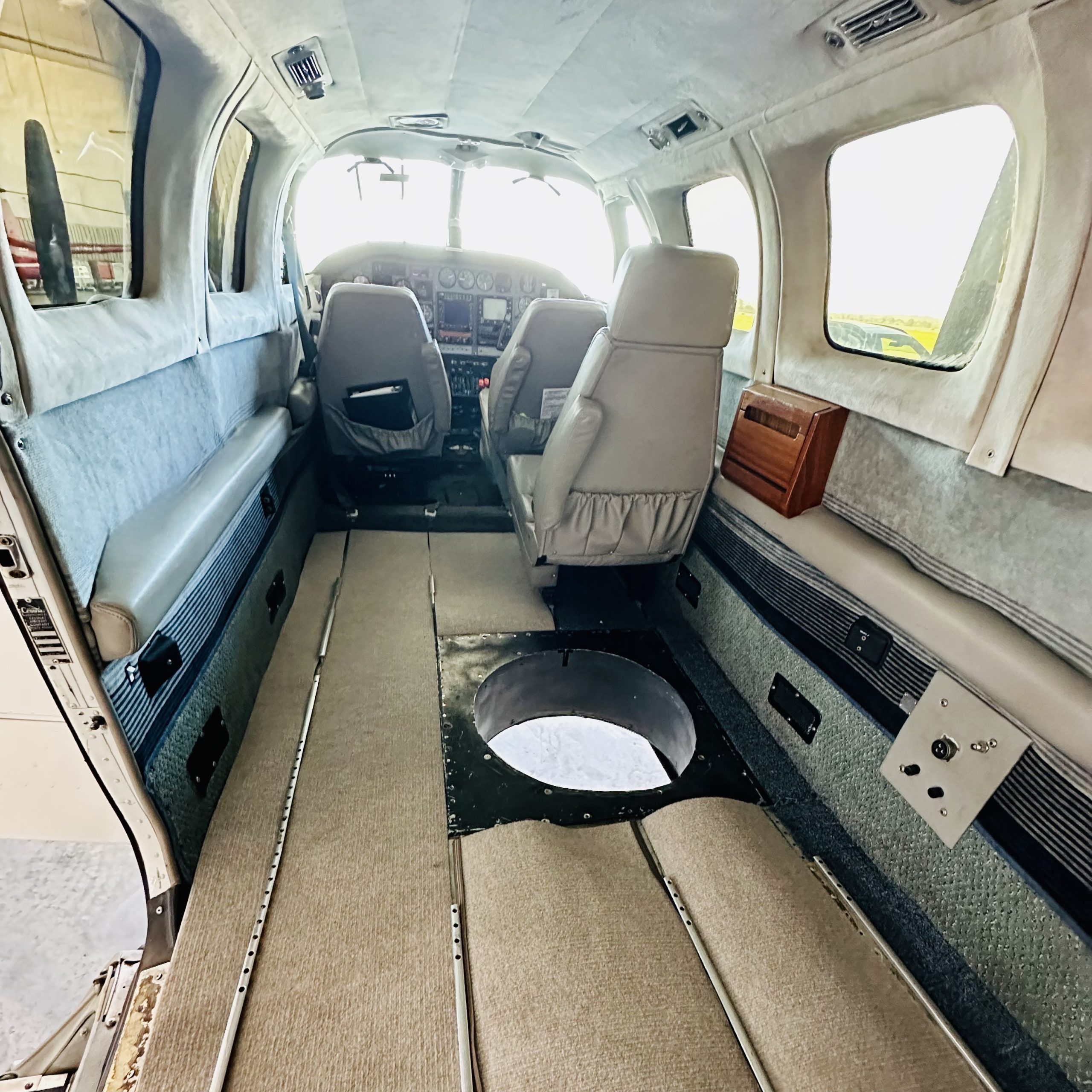
- Cabin Size: Width 46″, Height 44.5″, Length 163″.
- Cabin Door: Width 24″, Height 45.5″ – 44″.
- Cargo Door: Width 55.25″ – 53.75″, Height 45.5″ – 32″.
Performance & Payload
- Engine: Two Continental TSIO-520 turbocharged engines, 500 Horsepower total.
- Climb: Reach 8,000’ mission altitude within 10 minutes after take-off.
- Speed: 80-165 Knots, 150-305 KM/H.
- Ceiling: Certified maximum service altitude at 25,000′.
- Endurance: 920 Nautical Miles or 5.5 hours in air with full fuel.
- Payload: Maximum useful load 1300 LBS.
Sensor Station & Mission Power
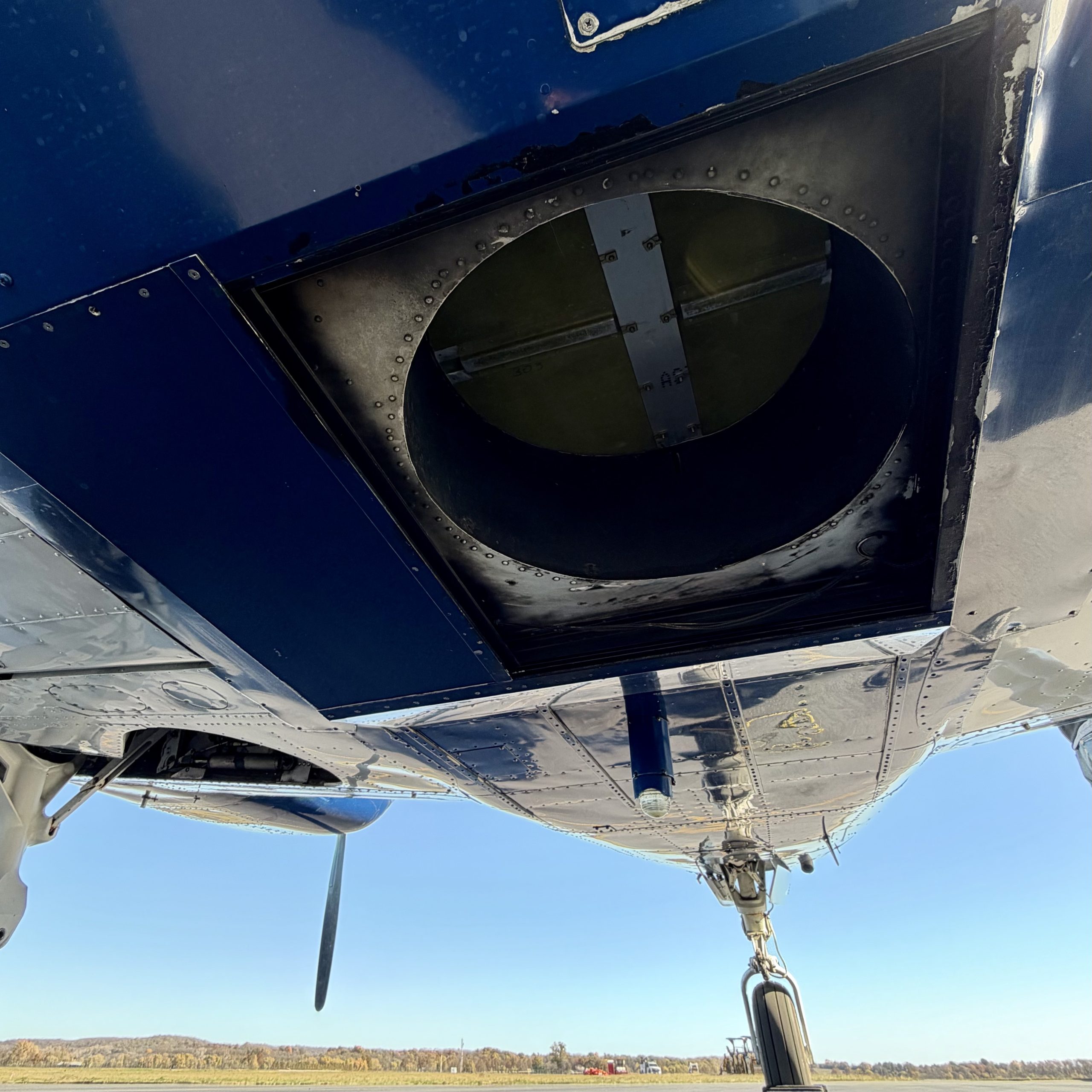
- Sensor Station: 31.25″ x 29″ sensor mounting area, 35″ x 31.5″ equipment area.
- Camera Hole: 20″ diameter round hole, unobstructed view.
- Mission Power: 28V, 95A electrical system. Ample and continuous power for high-draw sensors.
Platform Overview
The Cessna 303 Crusader was introduced in the early 1980s as part of Cessna’s effort to modernize its light twin-engine lineup. Designed from the ground up rather than adapted from an older airframe, the 303 featured an all-metal, low-wing design, improved aerodynamics, and a fully enclosed cabin that offered exceptional visibility and comfort for its class. It was also Cessna’s first light twin to use counter-rotating engines, enhancing stability and safety by eliminating critical engine tendencies.
Built with both performance and practicality in mind, the Crusader delivers an ideal balance of speed, range, and fuel efficiency. Its low-noise propellers and well-insulated cabin create a noticeably quieter environment, reducing fatigue for pilots and crew—an important advantage on long survey missions. The spacious interior and large cargo door design make it highly adaptable for sensor installations and special mission configurations, while its solid handling and dependable systems make it a favorite among pilots.
At Helios, the Cessna 303 represents a reliable, capable, and refined platform—combining the proven engineering of Cessna’s legacy with the modern upgrades needed to meet today’s demanding aerial survey and data collection missions.
Piper Chieftain PA31-350
Cabin Dimentions
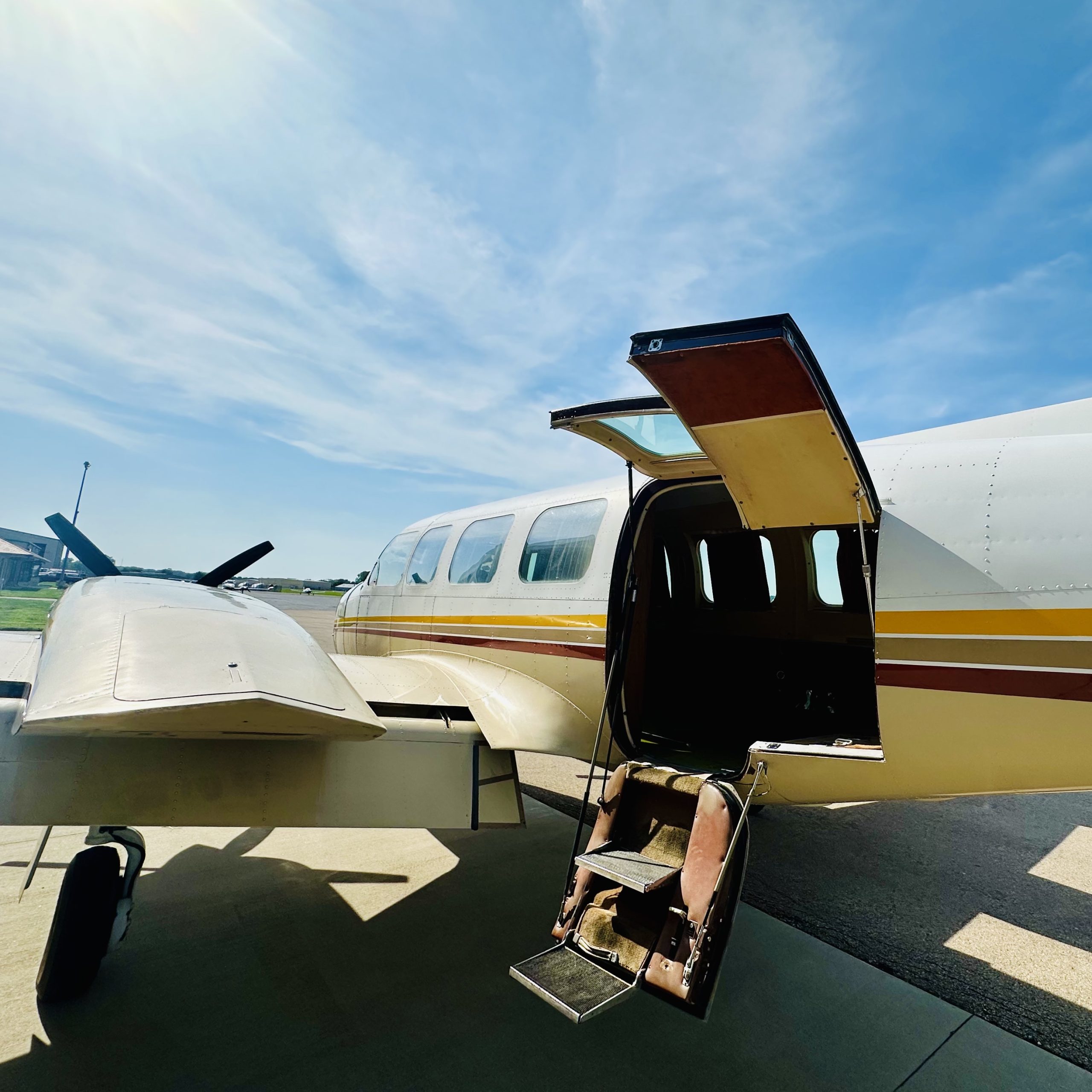
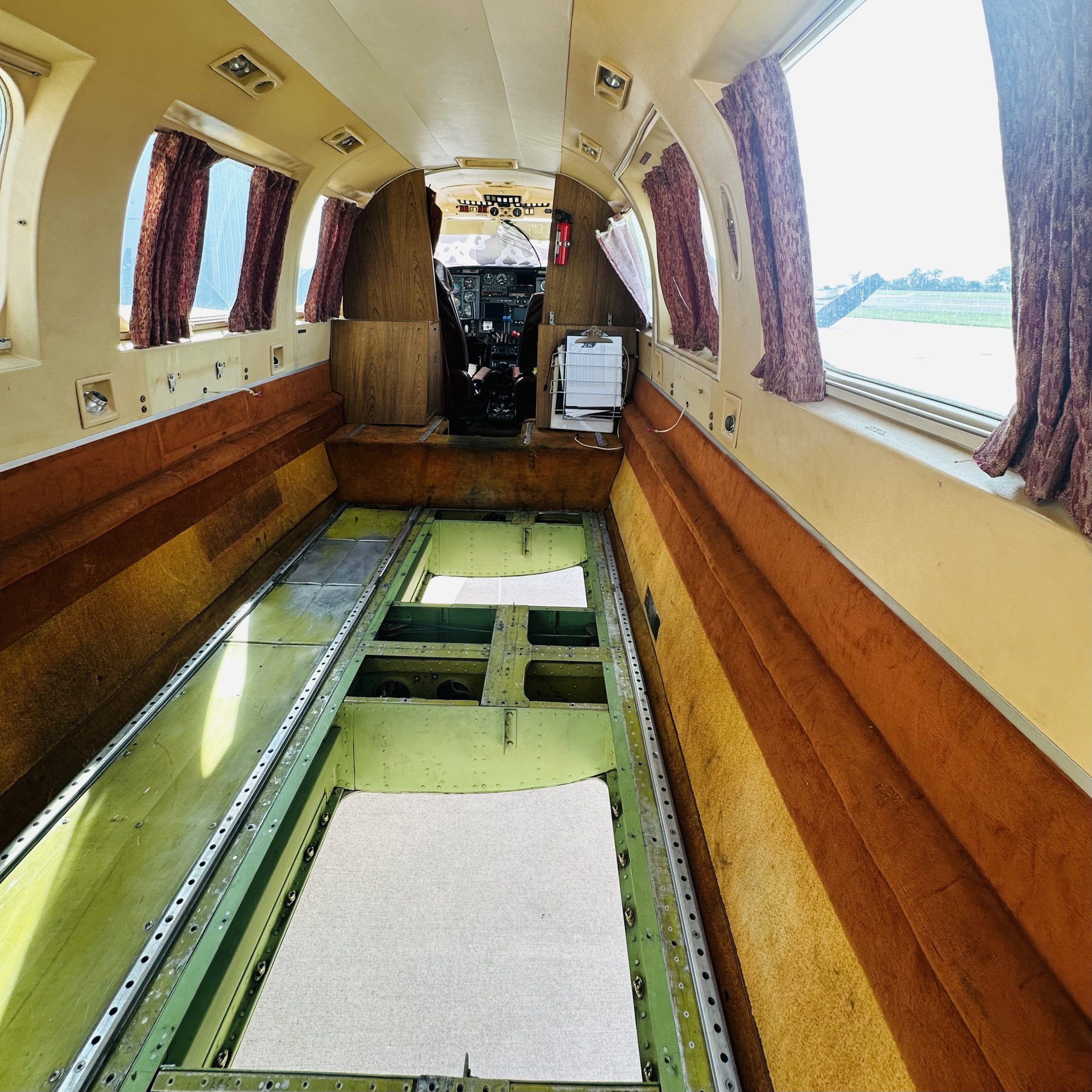
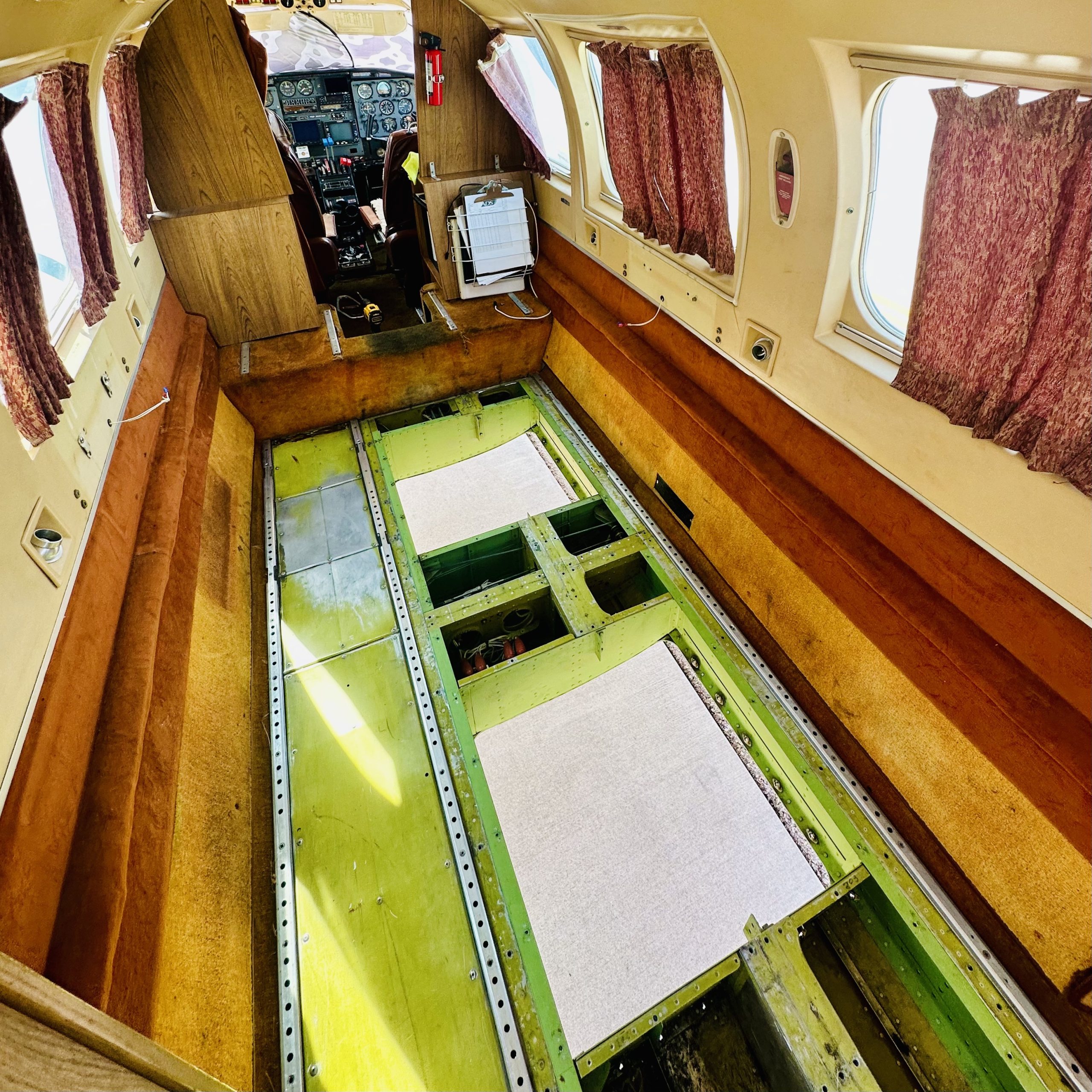
- Cabin Size: Width 48″, Height 48.5″, Length 270″.
- Cabin Door: Width 27″, Height 43″.
- Cargo Door: Width 46″, Height 45″.
Performance & Payload
- Engine: Two Lycoming TIO-540-J2B turbocharged engines, 700 Horsepower total.
- Climb: Reach 12,000’ mission altitude within 15 minutes after take-off.
- Speed: 100-195 Knots, 185-360 KM/H.
- Ceiling: Certified maximum service altitude at 24,000′.
- Endurance: 965 Nautical Miles or 6 hours in air with full fuel.
- Payload: Maximum useful load 2100 LBS.
Sensor Station & Mission Power
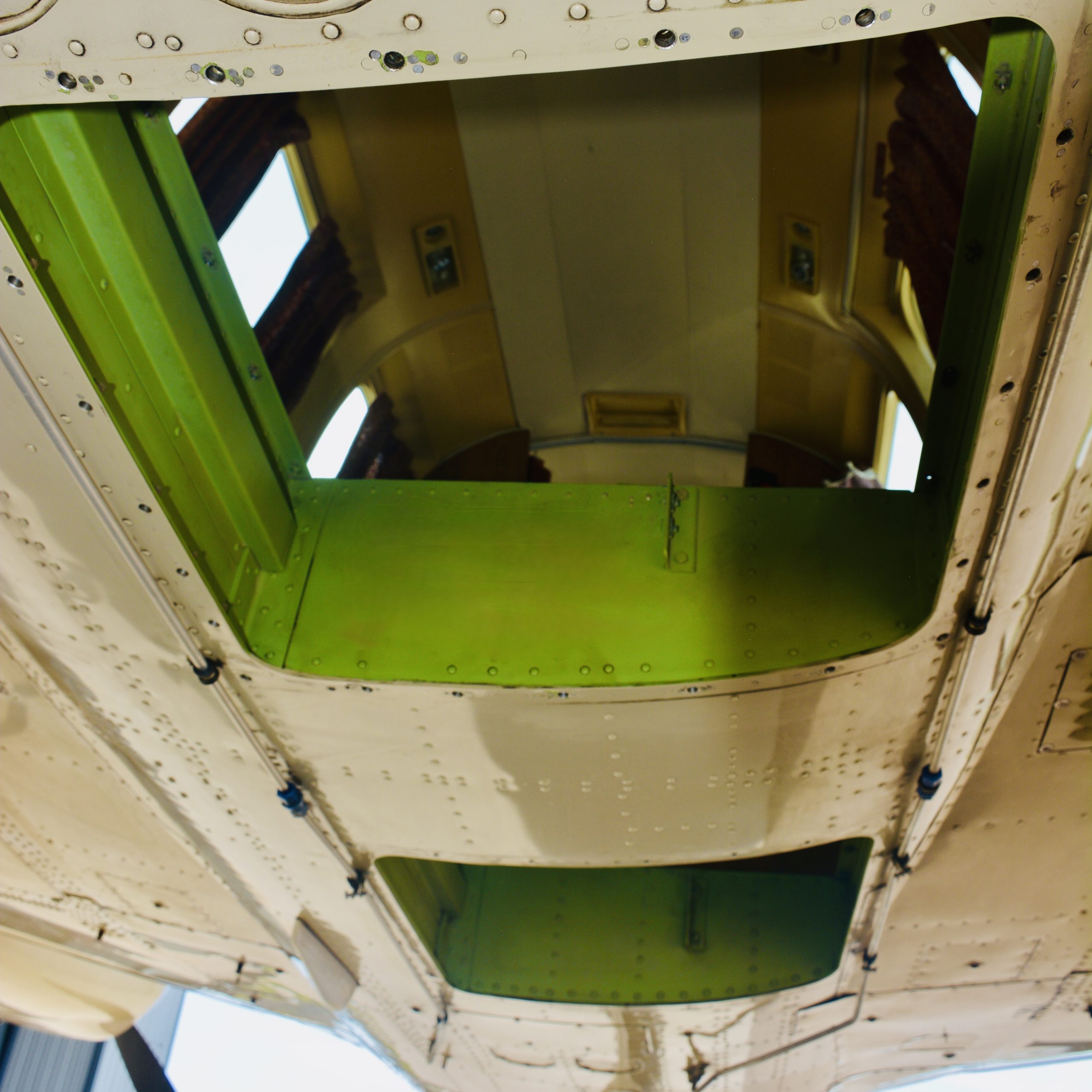
- Camera Hole: Dual 21-inch camera holes. Accommodates large payload sensors and supports multiple sensor configurations.
- Mission Power: 28V, 100A aircraft supply power; 3 power outlets. Reliable power for high-draw sensors and multi-sensor support.
Platform Overview
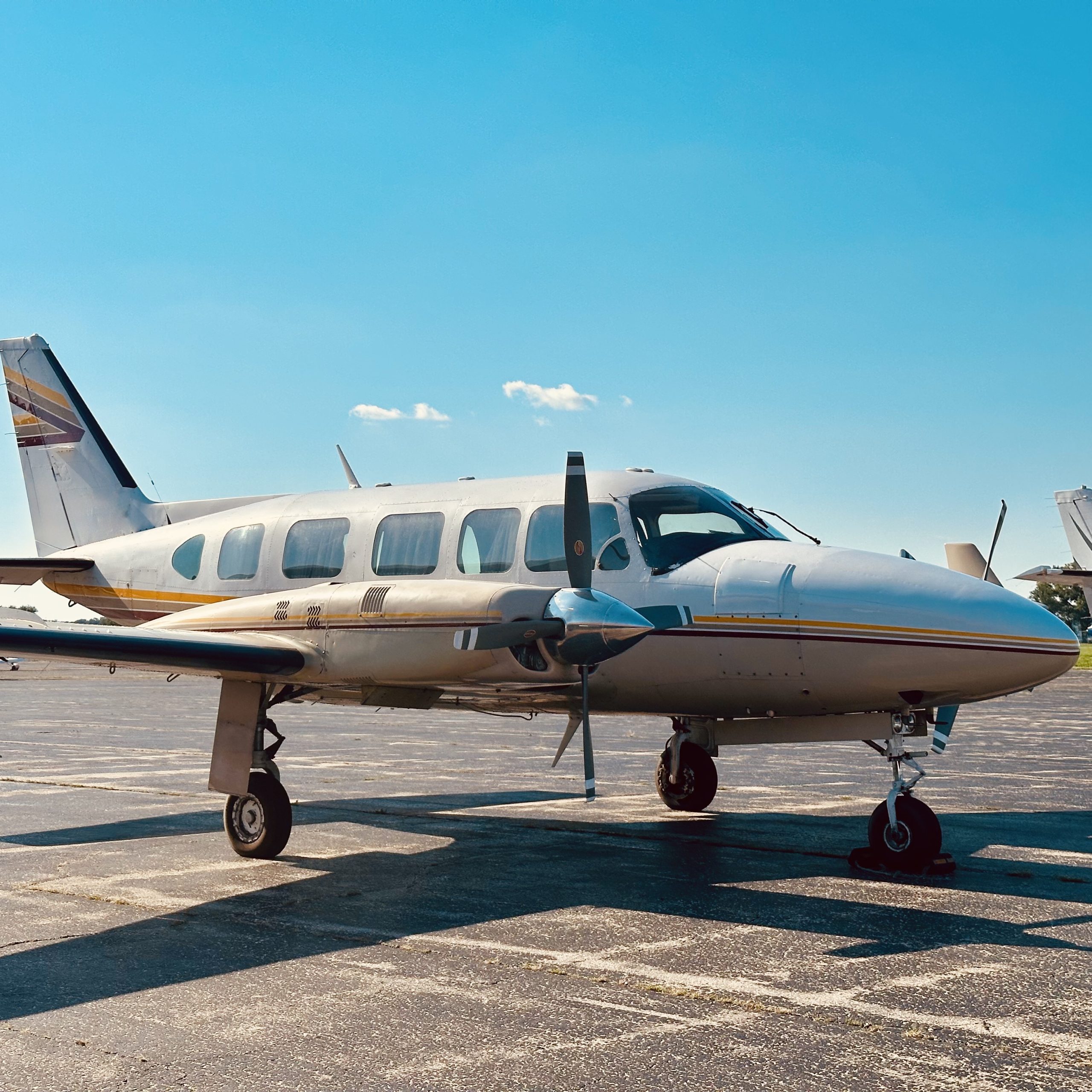
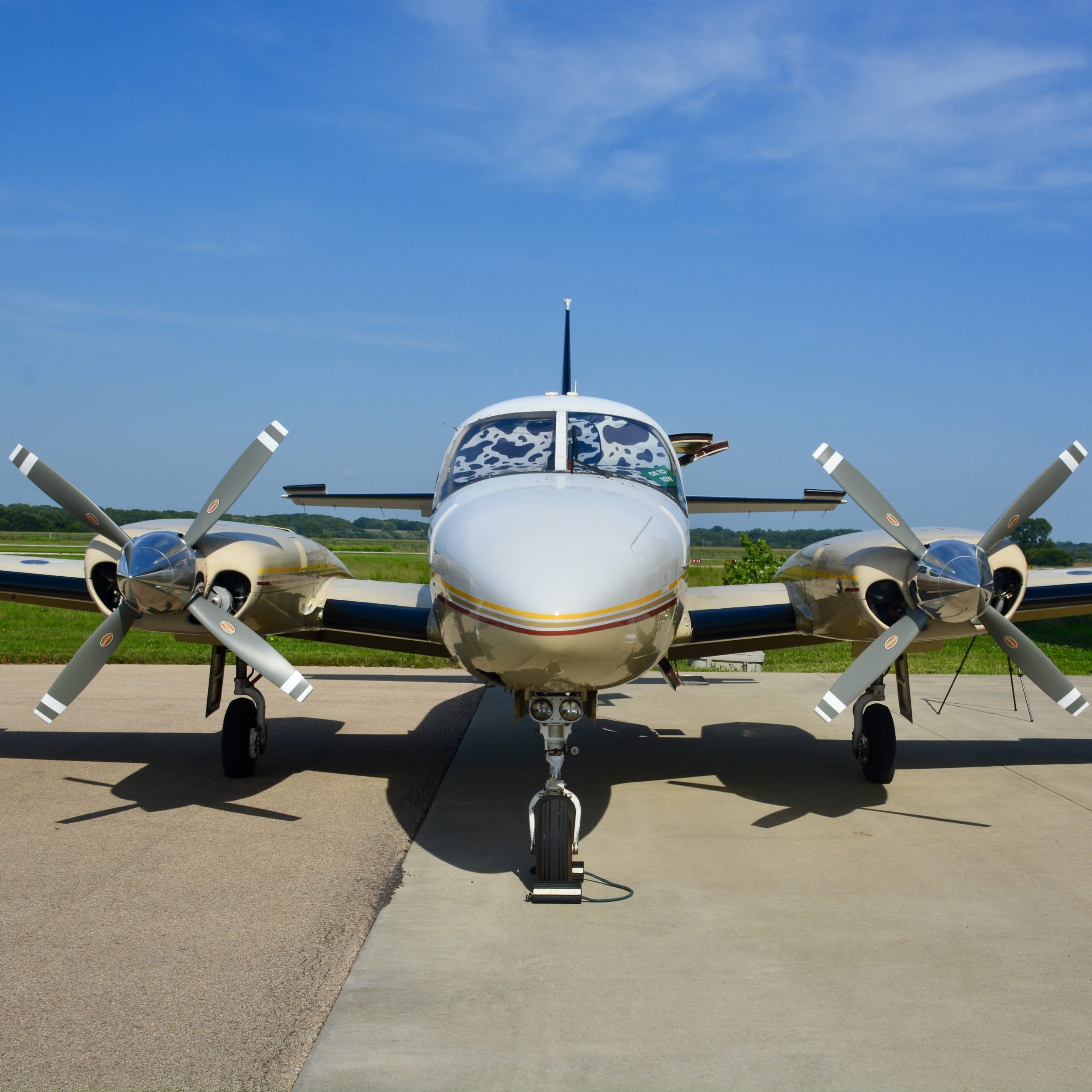
The Piper Navajo Chieftain PA-31-350 is a proven workhorse in the world of twin-engine aircraft, known for its power, reliability, and generous cabin space. Introduced in the late 1970s as the largest and most capable variant of Piper’s Navajo line, the Chieftain was designed to meet the needs of operators who required greater payload, range, and versatility. Equipped with counter-rotating turbocharged Lycoming engines, the PA-31-350 delivers strong climb performance and dependable operation under a variety of conditions.
The Chieftain’s large, six passenger cabin comfortably accommodates crew, equipment, and mission systems, making it ideal for extended operations and multi-sensor payloads. Its wide center of gravity range and high useful load allow for flexible interior configurations and sensor installations without compromising performance. Modern avionics upgrades, smooth handling, and robust systems further enhance safety and efficiency during complex missions.
For Helios, the Piper Navajo Chieftain serves as a versatile and capable platform—balancing range, endurance, and payload capacity with the comfort and reliability required for demanding large aerial imaging and LiDAR collection projects.
High-Wing Fleet
Helios manages a nationwide network of trusted high-wing aircraft, such as Cessna 172s, 182s, and 206s, ideal for low to mid altitude imaging and mapping missions. These aircraft are valued for their stability, efficiency, and excellent downward visibility, making them a cornerstone of aerial survey operations.
Each platform in our network is carefully vetted for airworthiness, performance, and compliance with FAA commercial standards. Their high-wing configuration provides unobstructed sensor views and safe, reliable handling in a wide range of conditions. Combined with Helios’ operational oversight and mission planning expertise, this network allows us to deploy capable aircraft quickly and cost-effectively anywhere in the country.
With consistent operation standards and flexible payload options, Helios’ high-wing fleet extends our reach; delivering dependable data collection across diverse terrain and project types.
Ready for Takeoff? Let's GO!
With quality aircraft, experienced crews, and responsive operational support, Helios helps you succeed at altitude.